
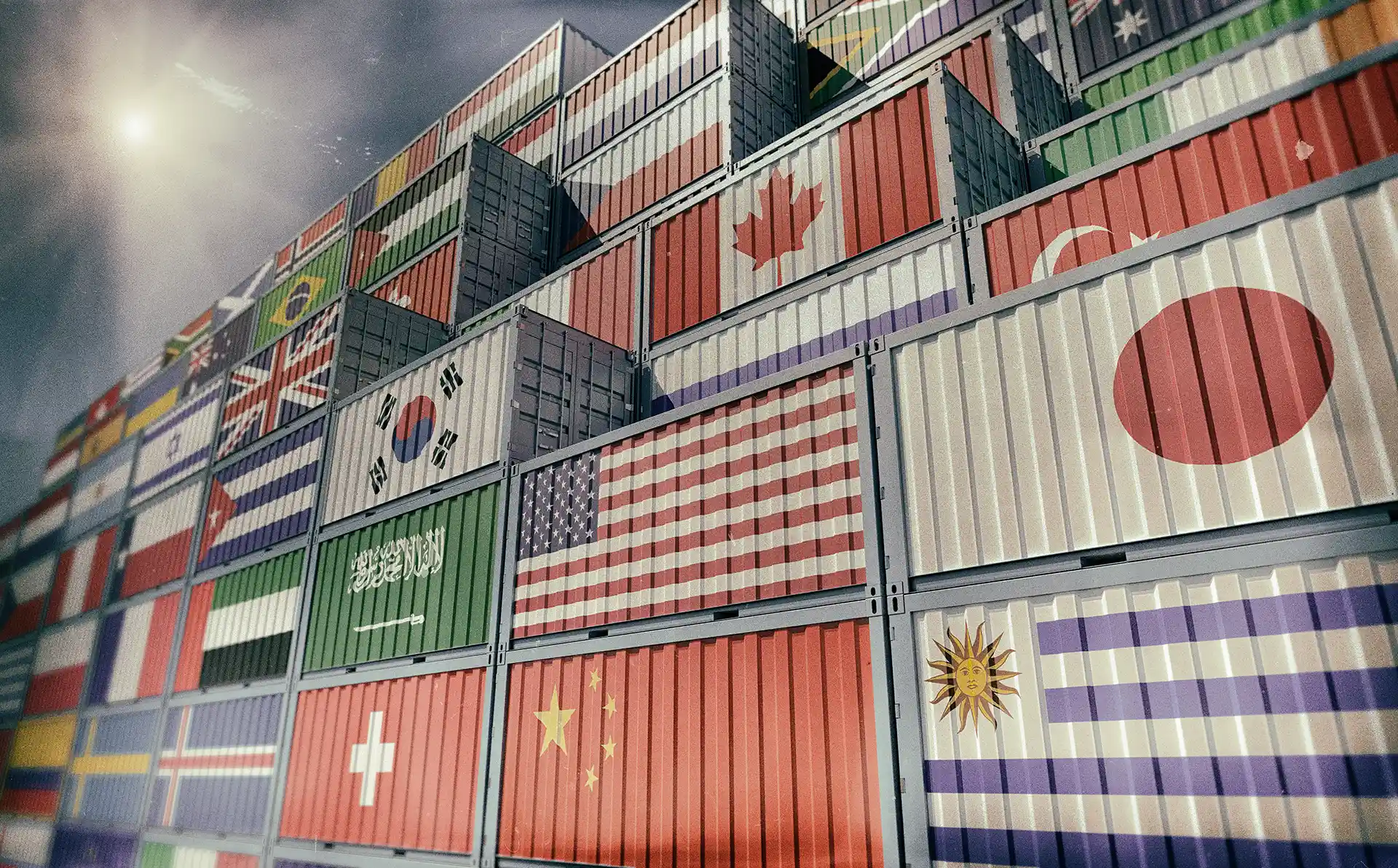
As Donald Trump emerges as the likely President-Elect following the election on November 5, 2024, his well-documented stance on trade and tariffs is reigniting concerns among industries that rely on global supply chains. With the possibility of expanded or reinstated tariffs targeting key trading partners, companies across sectors are assessing how these changes could impact costs, sourcing strategies, and overall supply chain dynamics. For logistics providers like Operational Technologies Corporation (OpTech), these developments highlight the importance of proactive planning and strategic support for clients navigating this evolving landscape.
1. The Scope of Proposed Tariffs
While specific details of Trump’s trade policies remain unclear, his first term provides a roadmap of what industries might expect. Between 2017 and 2021, his administration introduced tariffs targeting imports from major trade partners such as China, the European Union, and Mexico. These measures affected a wide array of products, including steel, aluminum, electronics, and automotive components, and significantly reshaped trade dynamics.
If similar tariffs are reintroduced or expanded, the impact on industries could be substantial. For instance, in the automotive sector, tariffs on steel and aluminum would directly affect costs for manufacturers and suppliers. Tier-1 and tier-2 suppliers, many of whom rely on OpTech for logistics and warehousing support, could face increased costs for raw materials, affecting production schedules and bottom lines. Similarly, electronics manufacturers would encounter higher costs for components like circuit boards and semiconductors, which are integral to modern vehicles and consumer goods.
These tariffs would not only disrupt industries relying on global trade but also force companies to reconsider their sourcing strategies, potentially driving demand for nearshoring or reshoring initiatives. For OpTech, this presents an opportunity to provide tailored logistics solutions, helping clients realign their supply chains to mitigate the financial and operational risks associated with tariffs.
2. Anticipated Supply Chain Disruptions
The reintroduction of tariffs has the potential to trigger widespread disruptions in global supply chains. Businesses that depend on imports from affected countries may face immediate challenges, including increased costs, inventory bottlenecks, and longer lead times.
One of the most direct impacts would be the rising cost of goods imported from tariffed regions. For manufacturers sourcing raw materials or finished components internationally, these higher costs could necessitate changes in pricing models or production strategies. For example, automotive manufacturers may need to adjust their sourcing of steel, aluminum, and electronic parts, leading to increased production costs and downstream price hikes for consumers.
Another common response to tariffs is stockpiling. Companies often try to get ahead of tariff implementation by increasing inventory levels, which creates a sudden spike in demand for warehousing services. OpTech’s scalable warehousing solutions are well-suited to address this need, offering clients the flexibility to store surplus inventory while managing fluctuations in demand.
In addition to cost increases and stockpiling, companies may reconfigure their supply chains to reduce reliance on tariff-affected regions. This could involve nearshoring production to neighboring countries or reshoring operations to the United States. Such changes require adjustments in logistics networks, including transportation routes, customs clearance processes, and warehousing locations. OpTech’s expertise in supply chain optimization ensures that clients can make these transitions seamlessly, minimizing disruptions and maintaining operational efficiency.
3. Cost Implications for Logistics Providers
As tariffs drive up costs across supply chains, logistics providers like OpTech also face unique challenges. Higher prices for raw materials and transportation can increase operational expenses, while the added complexity of managing tariffed goods places additional pressure on logistics networks.
Freight rates, for instance, often rise in response to tariff-driven changes in supply chain dynamics. Increased demand for alternative shipping routes or expedited delivery options can strain existing infrastructure, leading to higher transportation costs. Delays caused by customs inspections or changes in trade policies further exacerbate these challenges. To address these issues, OpTech leverages its extensive experience in fulfillment services, helping clients navigate the complexities of cross-border trade while minimizing costs and delays.
Another significant cost factor is the administrative burden associated with tariff compliance. Companies must ensure that their goods are accurately classified under the correct tariff codes and that all necessary documentation is prepared for customs clearance. These requirements can be time-consuming and error-prone, potentially leading to shipment delays or penalties. OpTech’s expertise in customs management provides clients with a streamlined approach to compliance, reducing the risk of errors and ensuring that goods move efficiently through the supply chain.
Finally, the increased costs associated with tariffs often prompt businesses to explore innovative strategies for optimizing their supply chains. This might include consolidating shipments to reduce freight costs, utilizing bonded warehouses to defer duty payments, or rethinking sourcing strategies to avoid tariffed goods altogether. OpTech’s flexible and client-focused approach allows us to implement these strategies effectively, ensuring that clients remain competitive in an increasingly complex trade environment.
4. Exploring Duty Mitigation Strategies
One of the most direct ways to reduce the impact of tariffs is through duty mitigation strategies. These approaches enable companies to manage tariff costs more effectively, improving cash flow and overall financial performance.
- Foreign-Trade Zone: Foreign-Trade Zones (FTZ) warehouses allow businesses to store imported goods without paying duties until the items are released into the market. This strategy not only delays tariff payments but also provides greater flexibility in inventory management. For instance, companies can re-export goods without incurring duties if market demands change. OpTech offers FTZ services designed to maximize this flexibility, enabling clients to defer costs while maintaining efficient operations.
- Duty Drawback Programs: Many companies are unaware of the significant savings that can be achieved through duty drawback programs. These programs allow businesses to reclaim tariffs paid on imported goods that are later exported, either as finished products or as part of assemblies. OpTech helps clients navigate the complex documentation and compliance requirements of duty drawback programs, ensuring they capitalize on these opportunities.
- Tariff Engineering: Adjusting product designs or materials to fall under lower tariff categories is another effective strategy. For example, minor changes to a product’s composition or assembly process can result in significant duty reductions. OpTech’s deep understanding of supply chain operations and product classifications allows us to collaborate with clients on these adjustments, helping them minimize costs without sacrificing quality.
By leveraging these duty mitigation strategies, companies can better manage the financial impact of tariffs while remaining competitive in global markets.
5. Building Resilient Supply Chains
In a tariff-driven trade environment, resilience is key to mitigating risks and maintaining operational continuity. Businesses must adopt strategies that allow them to quickly adapt to disruptions, whether caused by tariffs, supply shortages, or shifting demand.
- Diversified Sourcing: Relying on a single supplier or region exposes companies to significant risks in the event of tariff increases. By sourcing critical materials from multiple suppliers across different regions, businesses can reduce their vulnerability. However, managing diversified sourcing networks requires careful logistics planning. OpTech’s expertise in supply chain management ensures that clients can seamlessly integrate new suppliers while maintaining efficiency and visibility across their networks.
- Inventory Buffers: Establishing inventory buffers or safety stock is another way to enhance resilience. This approach allows businesses to maintain continuity even when supply chains are disrupted. OpTech’s scalable warehousing solutions are designed to accommodate fluctuating inventory levels, providing clients with the flexibility they need to weather supply chain uncertainties.
By proactively building resilience into their supply chains, businesses can reduce their exposure to tariff-related disruptions and maintain a competitive edge in the market.
6. Monitoring Policy Developments and Staying Proactive
In a rapidly evolving trade environment, staying informed about policy changes is critical. Businesses must monitor developments in trade agreements, tariff schedules, and regulatory requirements to make timely adjustments to their operations.
- Tracking Trade Policy Changes: The implementation of tariffs often occurs with little advance notice, leaving businesses scrambling to adapt. By closely monitoring announcements from government agencies and trade organizations, companies can anticipate changes and develop contingency plans.
- Scenario Planning: Effective tariff management requires more than just reacting to changes; it involves planning for multiple scenarios. For instance, businesses should consider how different tariff rates or trade restrictions could impact their supply chains and develop strategies to mitigate these risks. OpTech works with clients to conduct scenario analyses, identifying vulnerabilities and recommending actionable solutions to address them.
- Building Strong Relationships with Customs Authorities: Navigating tariffs often involves complex customs procedures. Establishing strong relationships with customs authorities can help streamline the clearance process and reduce delays. OpTech’s experience in customs management ensures that clients can efficiently handle compliance requirements, minimizing the risk of disruptions.
By proactively monitoring policy developments and implementing strategic adjustments, businesses can stay ahead of tariff-related challenges and maintain operational stability.
Conclusion
As the potential for new tariffs under President Trump’s administration looms, businesses must prepare for a period of uncertainty and disruption in global supply chains. By adopting proactive strategies such as duty mitigation, building resilient supply chains, and closely monitoring policy developments, companies can navigate the challenges posed by a tariff-driven trade environment. These approaches not only help mitigate cost increases but also provide the flexibility needed to adapt to rapidly changing circumstances. Preparing now ensures businesses can remain competitive, efficient, and ready to seize opportunities despite the complexities of evolving trade policies.